|
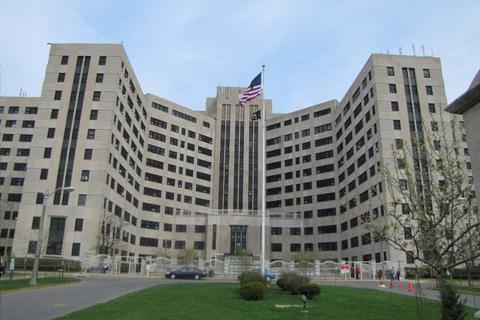
Buffalo/Batavia VA Medical Center Significant Care Issues
Do Not Resuscitate (DNR)/Other Limitations of Treatment
Do Not Resuscitate (DNR) means cardiopulmonary
resuscitation (CPR) and/or other heroic health
or life saving measures will not be started when
cardiac or respiratory arrest occurs. After talking
with your provider, if you are able, you can make
the DNR decision. If you are too ill to make that
decision, your next of kin or health care proxy makes
that decision with your provider. The DNR order is
not permanent. It can be stopped if you change your
mind and inform your provider. The health care
team’s concern for your medical needs and comfort
will stay the same. You will be given whatever is
needed to relieve pain and make you comfortable.
You will also have the option of limiting aggressive
treatment short of CPR.
Ethics Committee
Sometimes patients or their caregivers have trouble
making choices about what is best for their health
care. Examples would be whether or not to perform
heroic measures on a patient at the end of life, or if a
terminally ill person should have a feeding tube.
The Ethics Advisory Committee is a group of VA
staff that meets to discuss these problems and make
suggestions when the need arises. If you or your
family have questions about the ethics of any
treatment, or other issue, talk with your health care
team. If you still have concerns, you may ask for a
review of the issues by the Ethics Advisory
Committee. To request this review, ask your health
care team for a referral to the Ethics Advisory
Committee. If you need to speak with a committee
representative over the phone, the Medical Center
operators will assist you. Buffalo: (716) 834-9200
and Batavia: (585) 297-1000
Advanced Illness/Coordinated
Care Program
Facing an illness that is advancing (not getting
better and cannot be cured) can be very hard. You
may have many questions about your illness and the
choices you must make. A member of the Advanced
Illness Coordinated Care Team can meet with you
and your family to talk about your concerns. This
program provides information, offers support and
guidance, helps you with your choices, coordinates
your care, works with your health care team, and
helps you and your loved ones deal with issues of
advanced illness. This team can help you sort out
the details to give you choices, dignity, and peace
of mind.
To request more information about this program,
you may call (716) 862-8541 or 1-800-532-8387
ext. 8541. You may initiate this consultation or ask
a member of the health care team to contact them
for you.
Organ, Eye, and Tissue Donation
VA Western New York Healthcare System takes part in ongoing programs for organ, eye, and tissue donations. Contact a member of your health care team to inform them of your wish to be a potential donor. You will be asked to sign a Consent to Release Information specific to organ donation. Talk to your family members so they know your wishes. Even though you indicated your wishes in writing, your family will be asked to give consent before donation can occur.
Anatomical Gift Program
If you would like to donate your body for research, you need to contact the State University of New York at Buffalo at (716) 829-2912. A packet of information will be mailed to you. You must complete the forms and return them to the University of Buffalo. The person donating his/her body can only sign the forms. If you need assistance, contact your social worker or after administrative hours, contact the Health Administration Sections, Administrative Officer of the Day through the VA operator.
|
|